
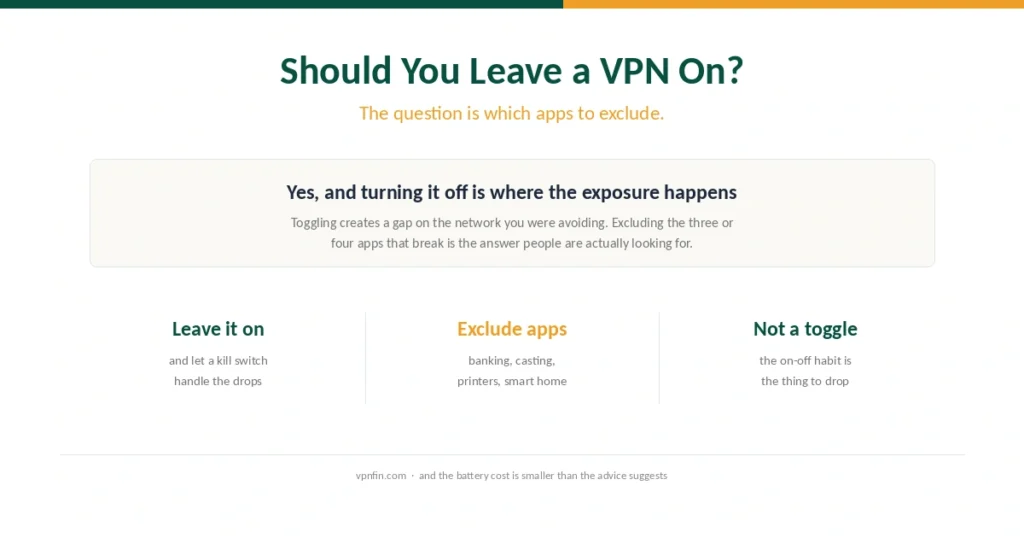
Should You Leave a VPN On All the Time? (2026): Yes, and Exclude Four Apps
The toggle is the risk, not the tunnel. Three or four things break with a VPN running, and switching the whole thing off to fix them is the wrong tool.
Step-by-step VPN tutorials for beginners: setup, troubleshooting, and getting the most out of your VPN. Clear instructions with screenshots — no technical background needed.
The toggle is the risk, not the tunnel. Three or four things break with a VPN running, and switching the whole thing off to fix them is the wrong tool.
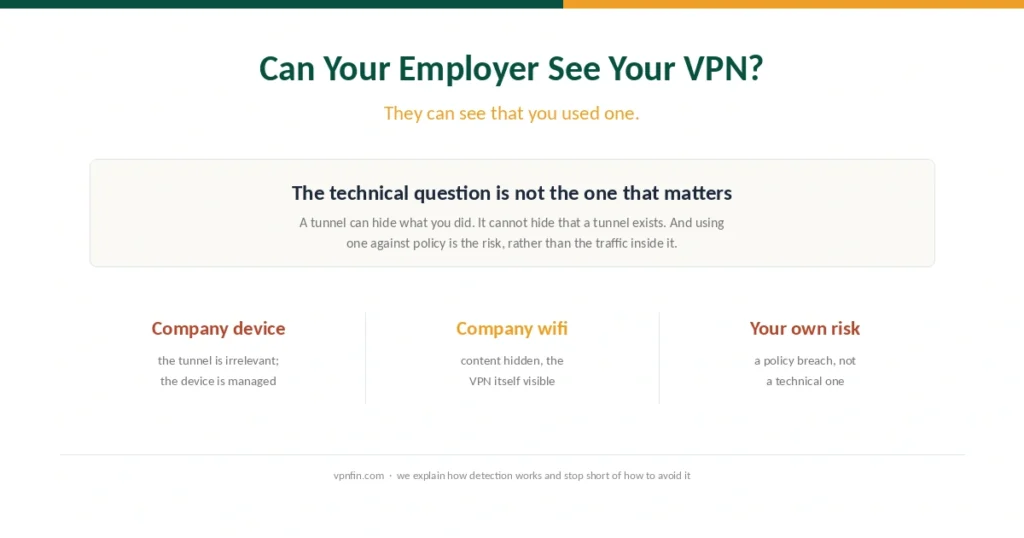
People ask one question and mean three different situations. Only one of them is about encryption, and the risk in all three is the policy rather than the traffic.
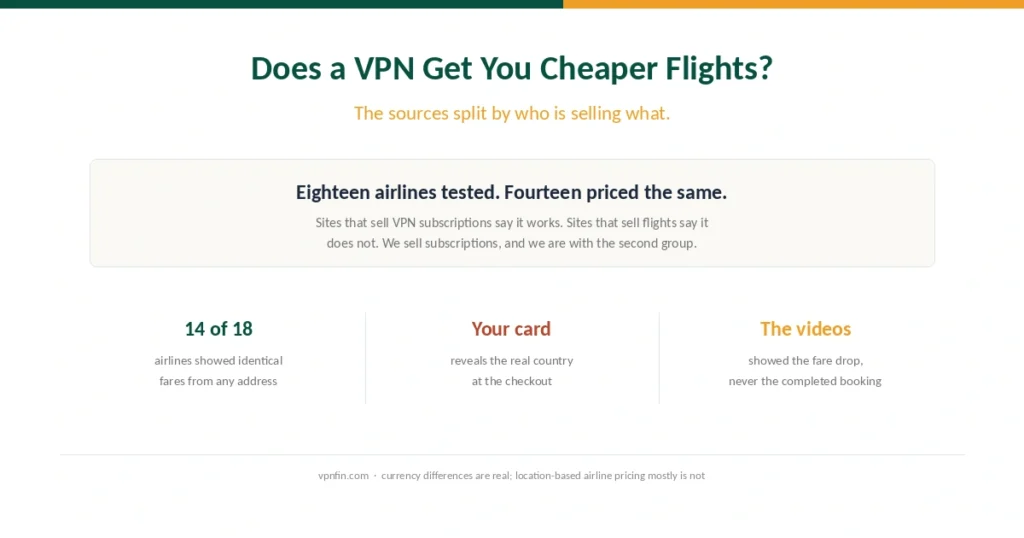
Sites that sell VPN subscriptions say the trick works. Sites that sell flights say it does not. We sell subscriptions, and we are with the second group.
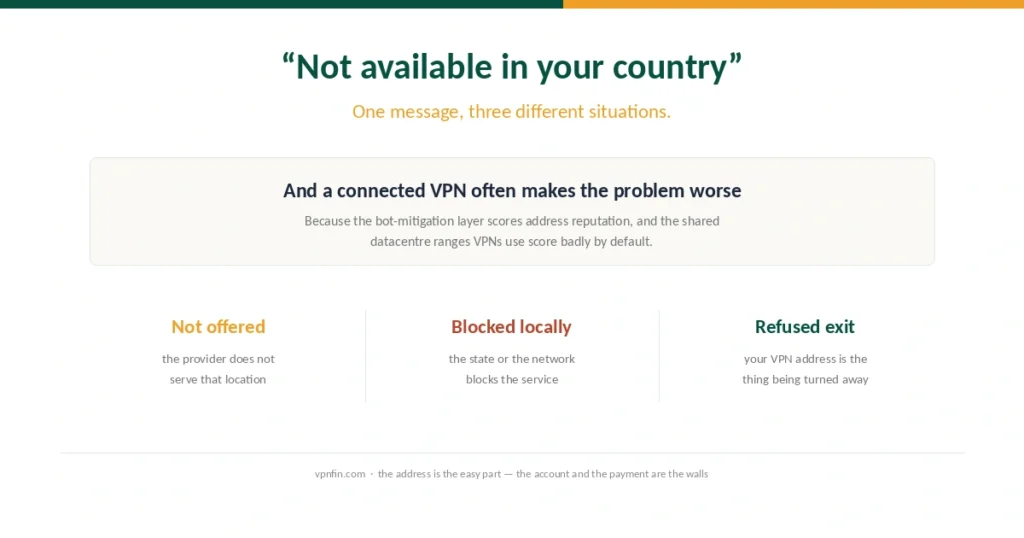
One error message covers three unrelated situations. For anyone already running a VPN, the tunnel is usually the cause rather than the cure.
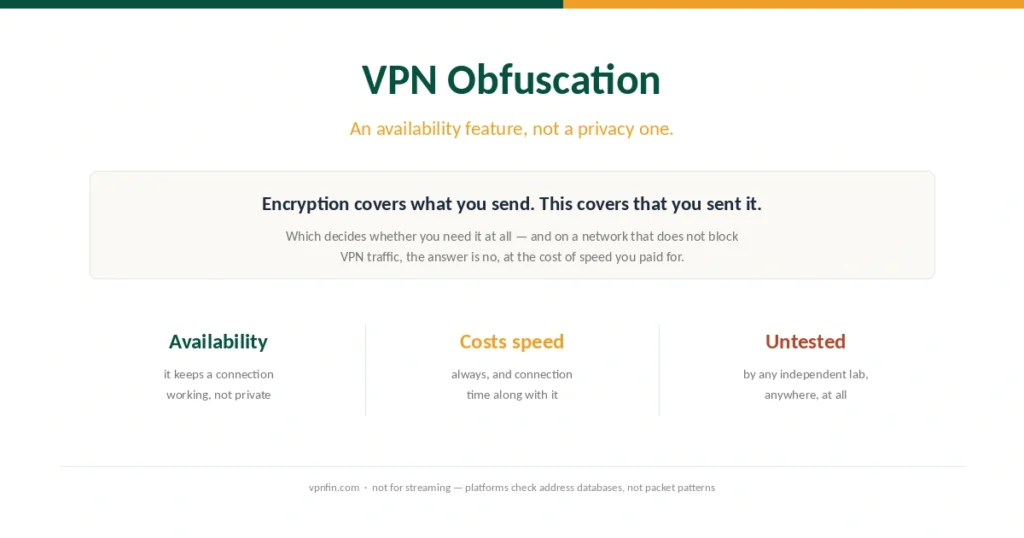
The only VPN feature with no independent testing behind it. Providers describe what it should do; the evidence that it does is a pile of user reports.
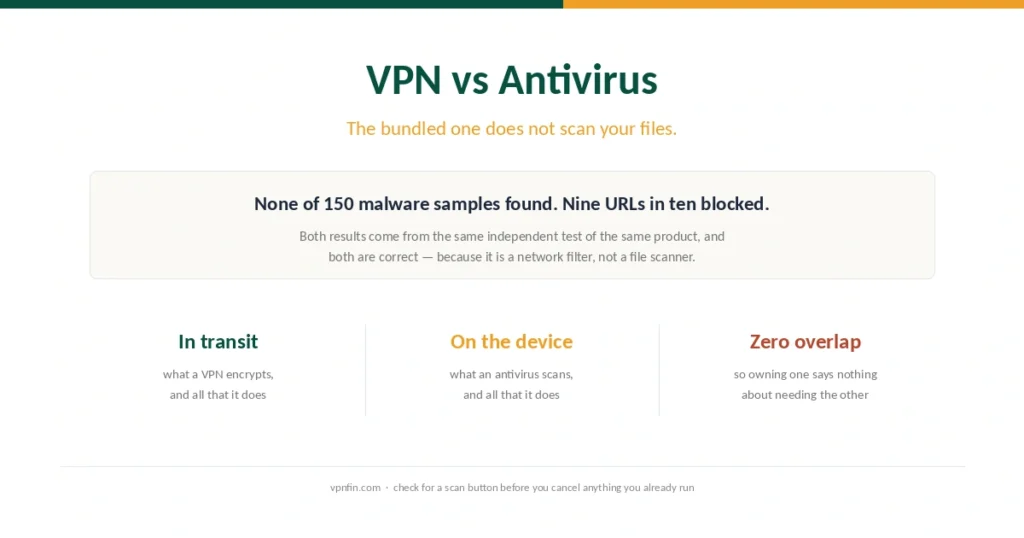
They do not overlap at all, which makes the question easy. The hard part is that the antivirus sold with a VPN is often not the kind you were picturing.
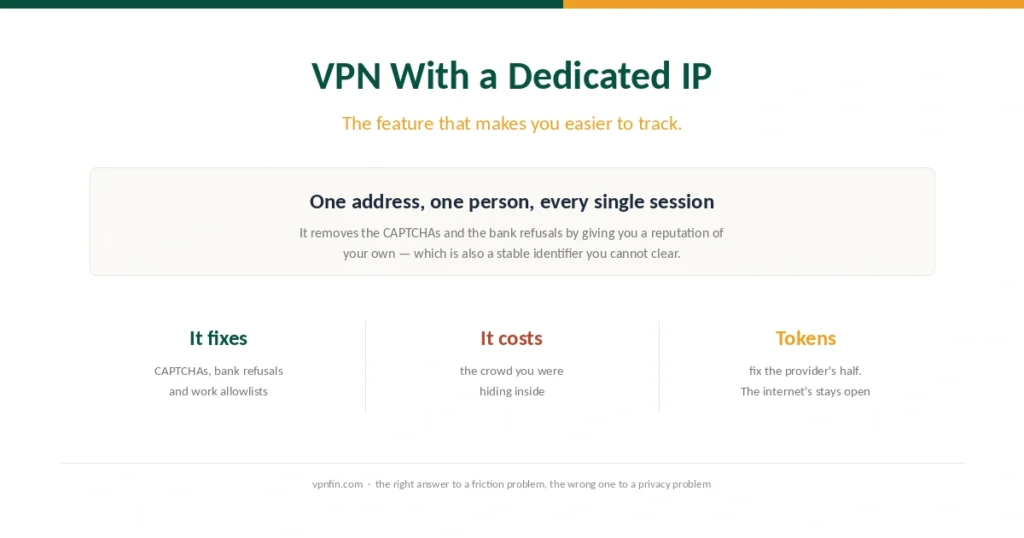
It fixes the friction that makes people give up on VPNs. It does that by undoing the single feature that made a VPN private in the first place.
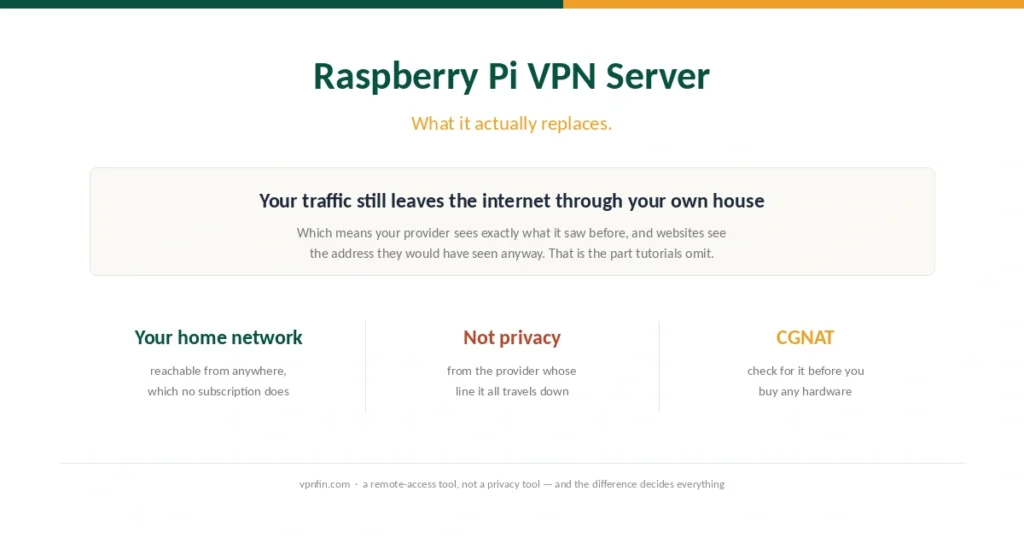
Every tutorial explains how to build one. Almost none explains that the finished thing solves a different problem from the one most people are trying to solve.
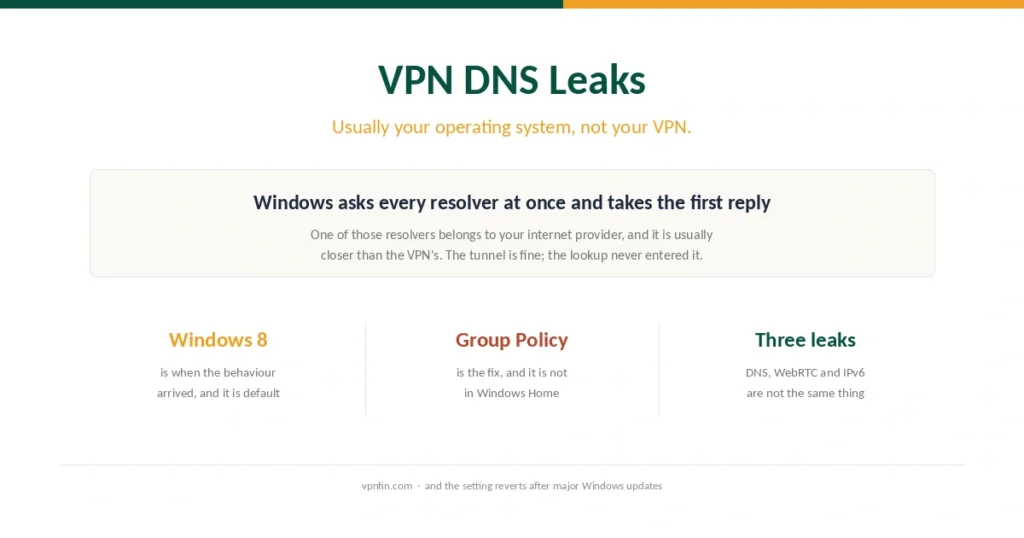
The tunnel is fine. The operating system is asking two resolvers at once and taking whichever answers first, and one of them belongs to your internet provider.
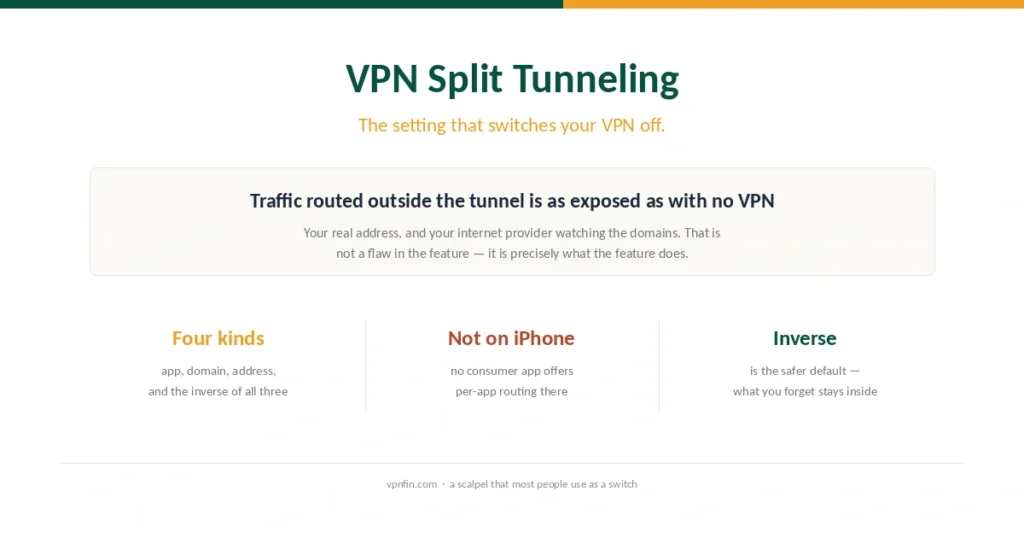
You buy a VPN to cover everything, then use one setting to stop it covering things. That is not a contradiction, but it is worth understanding before you configure it.