
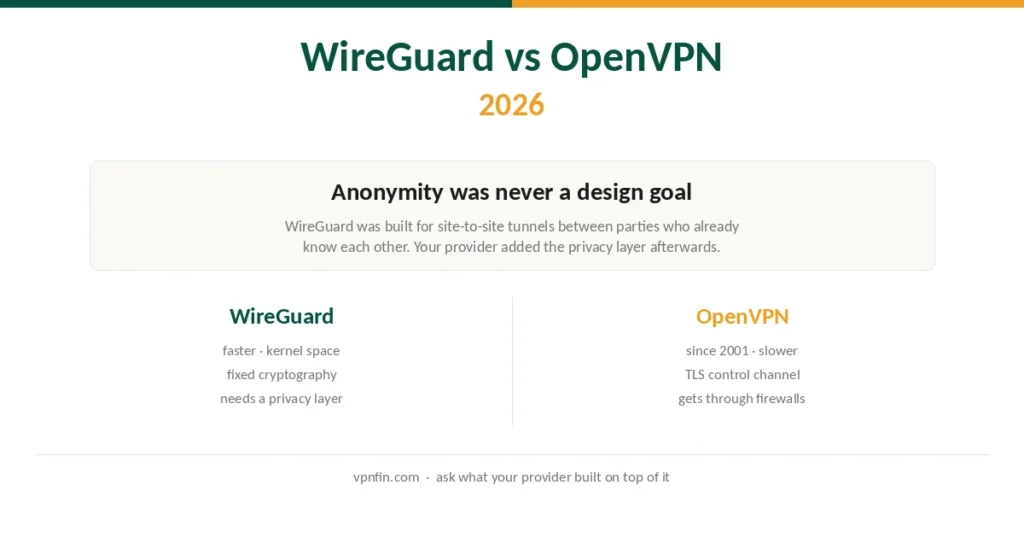
WireGuard vs OpenVPN (2026): The Fast One Wasn’t Built for This
WireGuard is faster and simpler, and anonymity was never one of its design goals. Providers had to add that themselves, and they did it in two different ways.
Step-by-step VPN tutorials for beginners: setup, troubleshooting, and getting the most out of your VPN. Clear instructions with screenshots — no technical background needed.
WireGuard is faster and simpler, and anonymity was never one of its design goals. Providers had to add that themselves, and they did it in two different ways.
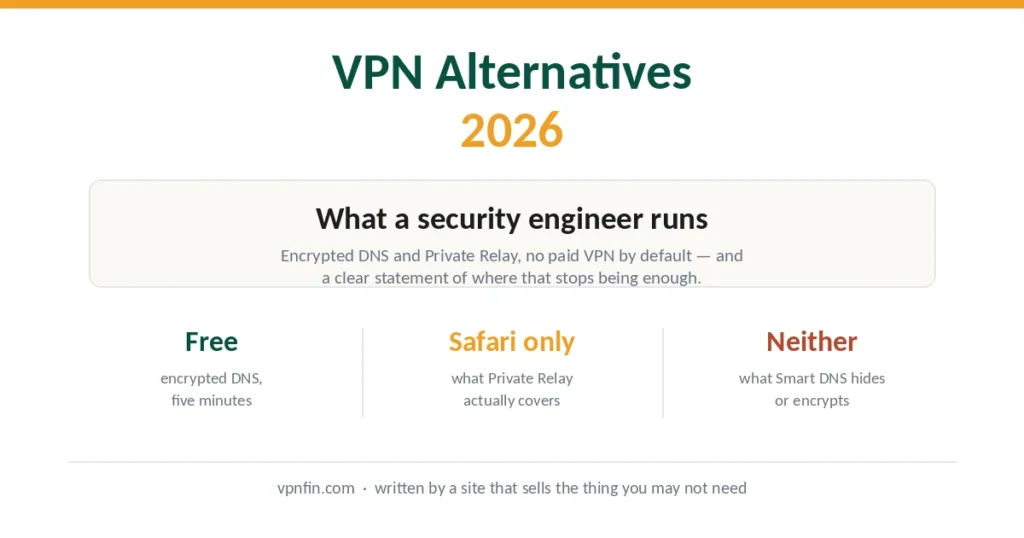
One security engineer’s published setup runs no paid VPN at all — encrypted DNS plus Private Relay. Here’s what that covers, and the point where it stops being enough.
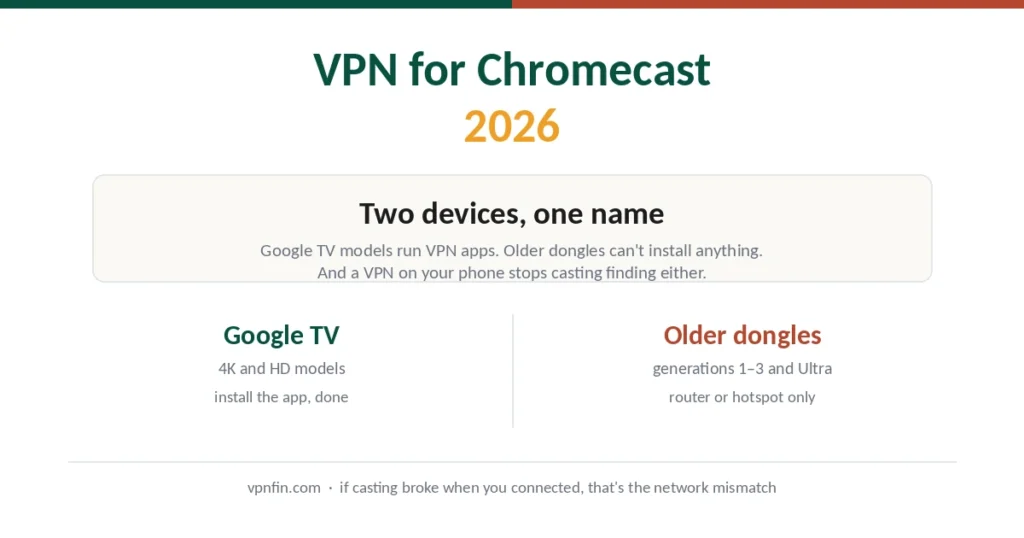
Turn on a VPN and casting stops finding your Chromecast. That’s not a bug — the two devices end up on different networks. Here’s the fix, and which model you have.
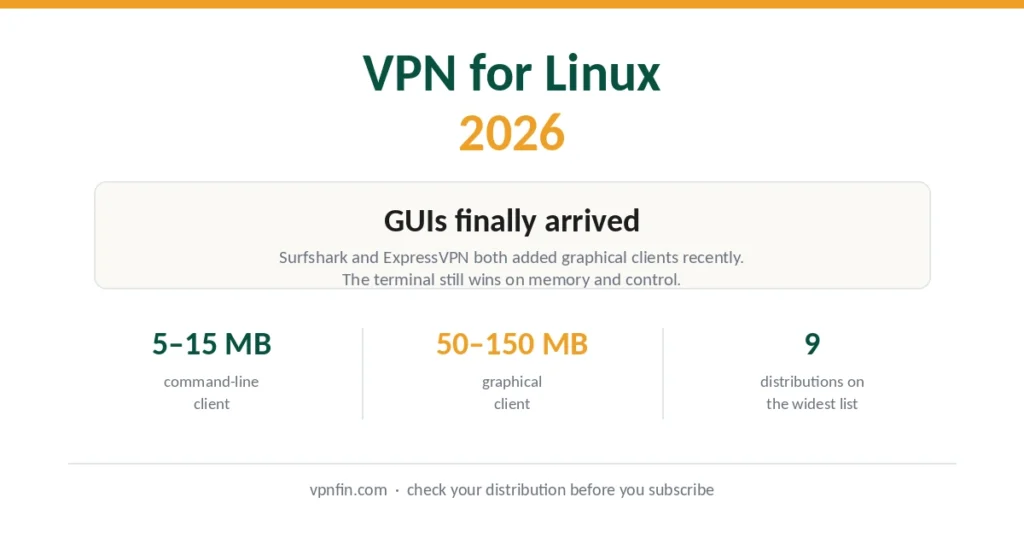
Linux VPN clients were command-line only for years. That changed in 2025–2026 — though the terminal still wins on memory, automation and control.
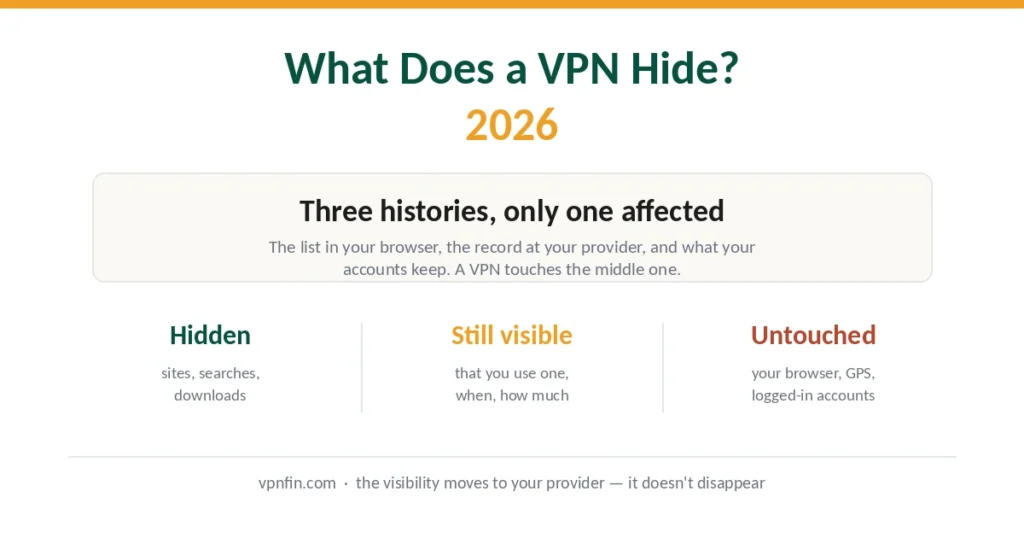
People call three different things “browsing history”. A VPN affects one of them. Knowing which is the difference between real privacy and assuming you have it.
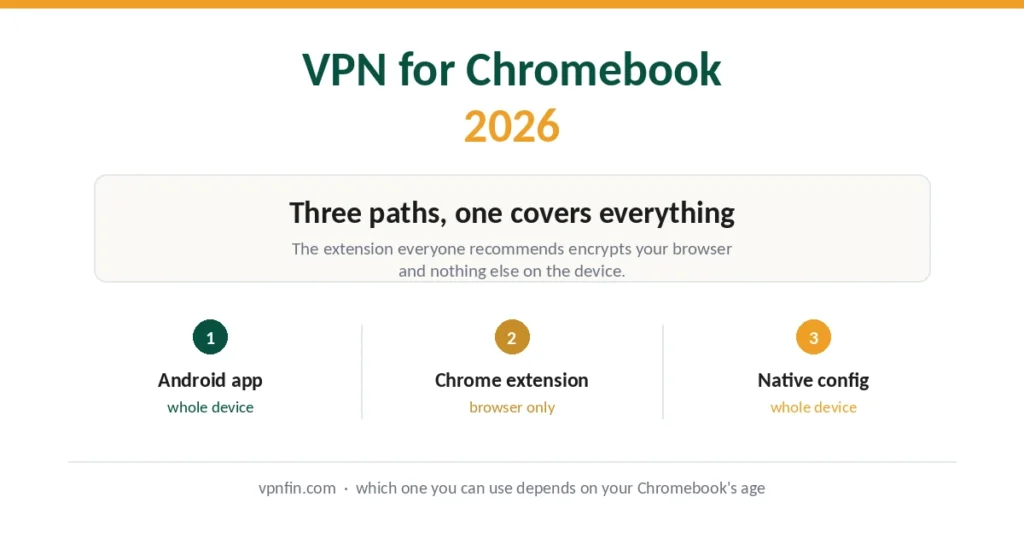
Three ways to run a VPN on ChromeOS, and they protect different amounts of your traffic. The extension everyone recommends covers your browser and nothing else.
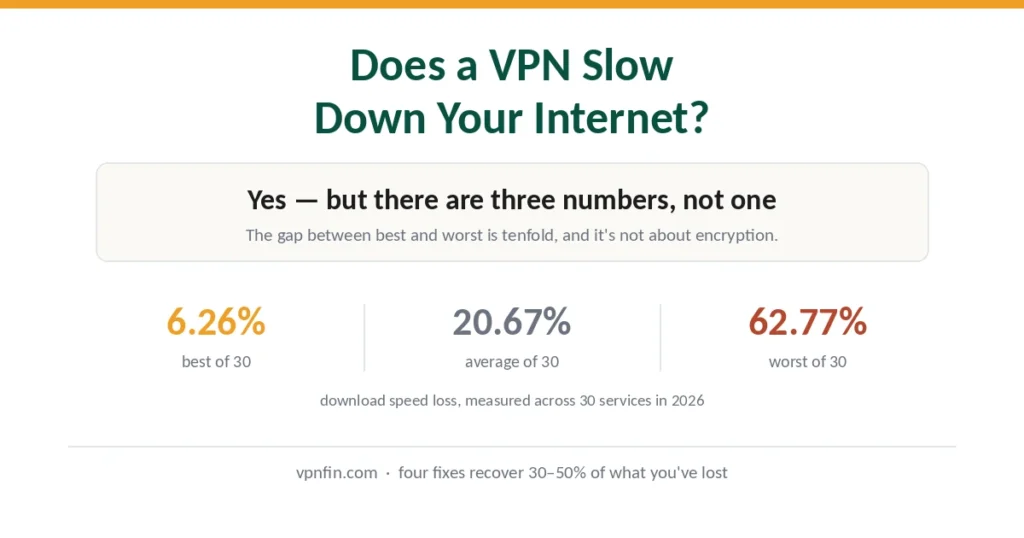
Yes — by about 6% on the best provider and 63% on the worst. The gap is server quality and protocol, not encryption. Four fixes recover most of what you’ve lost.
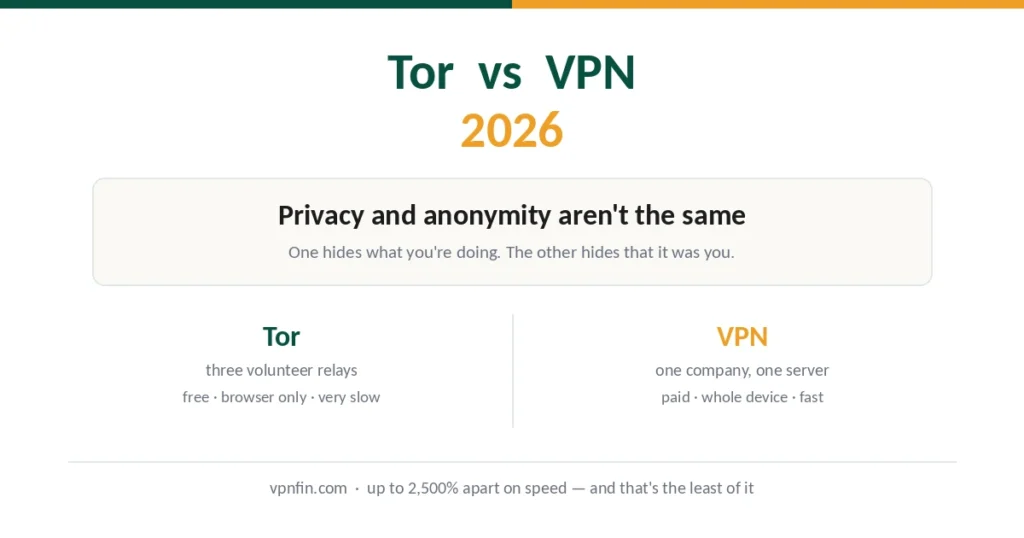
Tor gives anonymity, a VPN gives privacy — and those are different things. One is up to 2,500% slower and covers only your browser. Here’s which problem each actually solves.
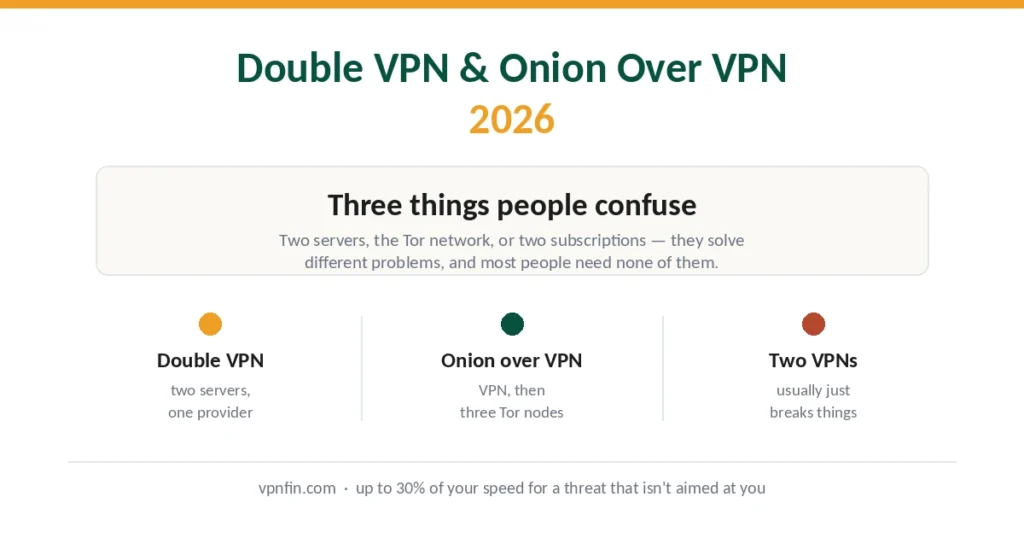
Double VPN routes you through two servers. Onion over VPN adds the Tor network. Running two VPNs does something else entirely — and for most people, all three are more than they need.
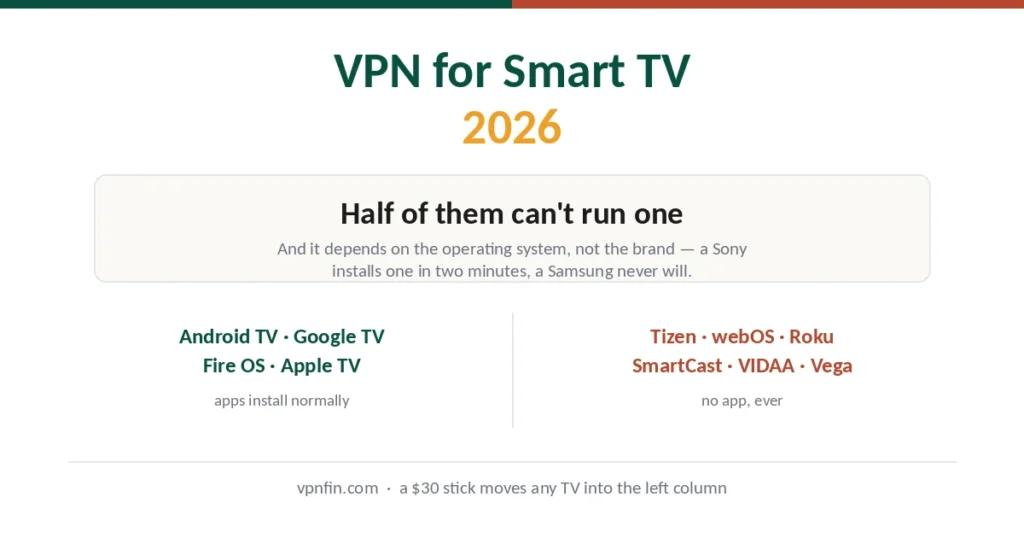
Android TV runs VPN apps. Samsung and LG can’t — their operating systems block them entirely. Which camp your TV falls into decides everything that follows.